Modern Sliding Systems: Types, Benefits and Applications for Homes and Commercial Spaces

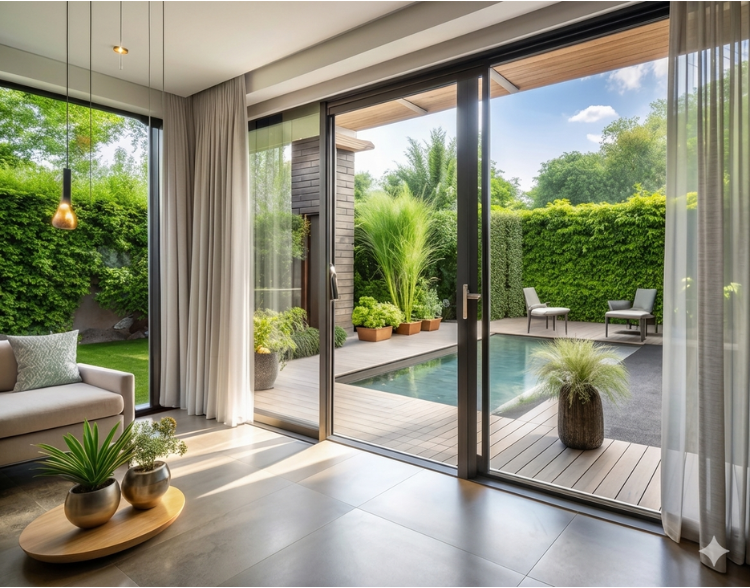
Modern Sliding Systems: Types, Benefits and Applications for Homes and Commercial Spaces
Modern interior design is increasingly focused on functionality, aesthetics, and efficient space utilization. One of the most significant innovations supporting these goals is the use of sliding systems. From contemporary wardrobes and modular kitchens to office partitions and commercial spaces, sliding mechanisms have become an essential part of modern architecture and furniture design.
Today's homeowners, architects, interior designers, and furniture manufacturers are constantly looking for solutions that maximize usability while maintaining a sleek appearance. This growing demand has led to rapid advancements in sliding door systems, wardrobe sliding systems, cabinet sliding systems, and other specialized hardware solutions.
In this comprehensive guide, we explore the different types of sliding systems, their benefits, applications, and how to select reliable sliding systems manufacturers for residential and commercial projects.
What Are Sliding Systems?
Sliding systems are hardware mechanisms designed to allow doors, panels, cabinets, or furniture components to move horizontally along a track instead of opening outward on hinges.
Unlike traditional swing doors, sliding systems require less operational space and provide a cleaner, more modern appearance. These systems typically consist of:
- Tracks
- Rollers
- Bearings
- Soft-close mechanisms
- Mounting brackets
- Guide rails
High-quality sliding hardware ensures smooth movement, durability, and user convenience.
For a wide range of furniture and architectural hardware solutions, explore Product Categories .
Why Sliding Systems Are Becoming Popular
The increasing popularity of sliding systems is driven by changing lifestyles and modern design preferences.
Space Optimization
Sliding systems eliminate the need for clearance space required by conventional hinged doors.
Modern Appearance
They provide sleek and minimalist aesthetics that complement contemporary interiors.
Improved Accessibility
Sliding mechanisms allow easy access to storage spaces, wardrobes, and rooms.
Enhanced Functionality
Modern systems incorporate features such as soft-close technology and silent operation.
Versatility
They can be integrated into furniture, wardrobes, kitchen cabinets, office partitions, and commercial interiors.
Types of Sliding Systems
Different projects require different sliding mechanisms. Understanding the available options helps ensure the right hardware selection.
Sliding Door Systems
Sliding door systems are widely used in residential and commercial spaces. These systems allow doors to glide along a track instead of swinging open.
Applications include:
- Room dividers
- Balcony doors
- Office partitions
- Conference rooms
- Commercial entrances
Learn more about Sliding Doors .
Wardrobe Sliding Systems
Modern wardrobes increasingly rely on wardrobe sliding systems for convenient access and efficient use of bedroom space.
Benefits include:
- Smooth operation
- Elegant appearance
- Better space management
- Large door panel support
Wardrobe sliding mechanisms are particularly useful in apartments and compact homes where space optimization is essential.
Cabinet Sliding Systems
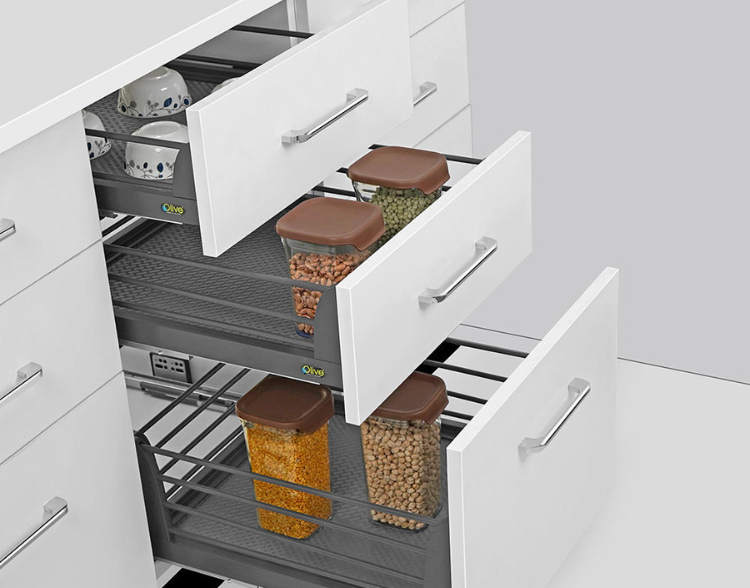
Cabinet sliding systems are commonly used in kitchens, offices, retail displays, and storage units.
These systems improve organization while maintaining a clean and uncluttered look.
Popular applications include:
- Kitchen cabinets
- Office storage units
- Display cabinets
- Utility storage areas
Soft Close Sliding Systems
One of the most sought-after innovations in hardware technology is the development of soft close sliding systems.
These systems incorporate damping technology that gently slows the door before closing completely.
Advantages include:
- Reduced noise
- Improved safety
- Enhanced durability
- Premium user experience
Soft-close functionality has become a standard feature in high-end furniture and architectural projects.
Furniture Sliding Systems
Modern furniture manufacturers increasingly use furniture sliding systems to improve functionality and aesthetics.
Common applications include:
- TV units
- Storage cabinets
- Office desks
- Entertainment centers
- Display furniture
Furniture sliding mechanisms help maximize storage accessibility while maintaining contemporary designs.
Components of a High-Quality Sliding System
The performance of a sliding mechanism depends on the quality of its components.
Tracks
Tracks guide the movement of doors or panels and must be precisely manufactured for smooth operation.
Rollers
Rollers reduce friction and support the weight of moving panels.
Bearings
Ball-bearing systems improve durability and movement efficiency.
Soft-Close Mechanisms
These components prevent slamming and ensure controlled closing action.
Mounting Hardware
Proper brackets and fasteners contribute to system stability and safety.
Understanding these elements is important when evaluating products from sliding systems manufacturers.
Benefits of Sliding Systems in Residential Spaces
Better Space Utilization
Sliding mechanisms eliminate door swing areas, creating more usable floor space.
Enhanced Interior Design
They contribute to a modern and sophisticated appearance.
Increased Property Value
Homes equipped with premium hardware solutions often attract greater buyer interest.
Improved Accessibility
Users can access wardrobes, cabinets, and storage areas more conveniently.
Noise Reduction
Advanced soft-close technology minimizes operational noise.
For insights into modern interior layouts, refer to Interior Design .
Benefits of Sliding Systems in Commercial Spaces
Commercial environments require efficient and durable hardware solutions.
Professional Appearance
Sliding systems contribute to a modern corporate environment.
Flexible Space Management
Movable partitions allow businesses to adapt layouts based on changing needs.
Improved Workflow
Easy access to storage and workspace areas enhances productivity.
Long-Term Durability
Premium systems withstand frequent use in high-traffic environments.
Reduced Maintenance Costs
Quality sliding hardware minimizes repair and replacement requirements.
Applications of Sliding Systems Across Industries
Residential Homes
Homeowners use sliding systems in:
- Bedrooms
- Kitchens
- Living rooms
- Utility spaces
- Wardrobes
Hospitality Industry
Hotels utilize sliding systems in guest rooms, closets, and conference facilities.
Retail Stores
Retailers benefit from display cabinets and storage solutions equipped with sliding mechanisms.
Corporate Offices
Office environments use sliding systems for partitions, filing units, and storage cabinets.
Educational Institutions
Libraries, laboratories, and administrative offices often integrate sliding hardware for efficient space management.
Healthcare Facilities
Hospitals and clinics utilize sliding doors and storage systems to improve accessibility and workflow.
Choosing the Right Sliding System
Selecting the appropriate system requires careful evaluation of project requirements.
Weight Capacity
Ensure the system can support the intended load without compromising performance.
Usage Frequency
High-traffic areas require durable hardware designed for continuous operation.
Installation Environment
Different systems are designed for residential, commercial, or industrial applications.
Soft-Close Features
Soft-close functionality improves convenience and protects hardware components.
Material Quality
High-grade materials provide better durability and corrosion resistance.
Manufacturer Reputation
Partnering with established sliding systems manufacturers ensures consistent product quality and technical support.
How to Evaluate Sliding Systems Manufacturers
Not all manufacturers offer the same level of quality and reliability.
When selecting sliding systems manufacturers, consider the following factors:
Industry Experience
Experienced manufacturers understand diverse application requirements.
Product Range
A broad portfolio demonstrates expertise and innovation.
Manufacturing Standards
Advanced production processes contribute to precision and durability.
Quality Testing
Reliable manufacturers conduct rigorous performance and load-bearing tests.
Customer Support
Technical assistance helps ensure successful product selection and installation.
Distribution Network
Efficient supply chains improve product availability and delivery timelines.
The Role of Sliding Systems in Modular Furniture Hardware
The growth of modern furniture design has increased demand for innovative modular furniture hardware solutions.
Sliding mechanisms play a critical role in:
- Space-saving furniture
- Modular wardrobes
- Multi-functional storage systems
- Kitchen organization solutions
- Contemporary office furniture
As consumer expectations evolve, sliding hardware continues to become more sophisticated and efficient.
For additional information about Furniture Design .
Future Trends in Sliding Systems
The hardware industry continues to introduce advanced technologies that improve user experience.
Emerging trends include:
Smart Sliding Systems
Automation and sensor-based controls are becoming increasingly popular.
Silent Operation Technology
Manufacturers are focusing on quieter mechanisms.
Improved Soft-Close Features
Advanced damping systems provide smoother operation.
Lightweight High-Strength Materials
Innovative materials improve durability while reducing weight.
Customizable Design Solutions
Architects and designers increasingly demand tailored sliding hardware configurations.
These developments are shaping the future of residential and commercial interiors.
Why Olive World Is a Trusted Choice for Sliding Hardware Solutions
Olive World offers premium hardware solutions designed to meet the evolving needs of homeowners, architects, furniture manufacturers, and commercial project developers.
With a focus on innovation, durability, and functionality, Olive World provides a wide range of solutions that support modern interior design and furniture applications.
Explore the complete product portfolio through Home Page and discover advanced hardware systems engineered for performance and reliability.
Contact Olive World for Premium Sliding Systems
Looking for high-quality sliding systems for residential or commercial projects?
Whether you need sliding door systems, wardrobe sliding systems, cabinet sliding systems, or advanced soft close sliding systems, Olive World provides reliable hardware solutions backed by quality and expertise.
Connect through Contact Us to discuss your project requirements and find the ideal sliding hardware solution.
Frequently Asked Questions (FAQs)
1. What are sliding systems used for?
Sliding systems are used in doors, wardrobes, cabinets, partitions, and furniture to provide smooth movement and maximize space utilization.
2. What are the benefits of soft close sliding systems?
Soft-close systems reduce noise, prevent slamming, improve safety, and increase hardware lifespan.
3. Are wardrobe sliding systems suitable for small rooms?
Yes. Wardrobe sliding systems save space because they do not require door swing clearance.
4. How do I choose the right sliding systems manufacturer?
Consider product quality, manufacturing standards, industry experience, technical support, and customer reviews.
5. Where are furniture sliding systems commonly used?
Furniture sliding systems are widely used in wardrobes, cabinets, TV units, office furniture, storage solutions, and modular furniture applications.
Drawer.png)