Sliding Systems in Modular Furniture: A Manufacturer & Supplier Perspective

Sliding Systems in Modular Furniture: A Manufacturer & Supplier Perspective
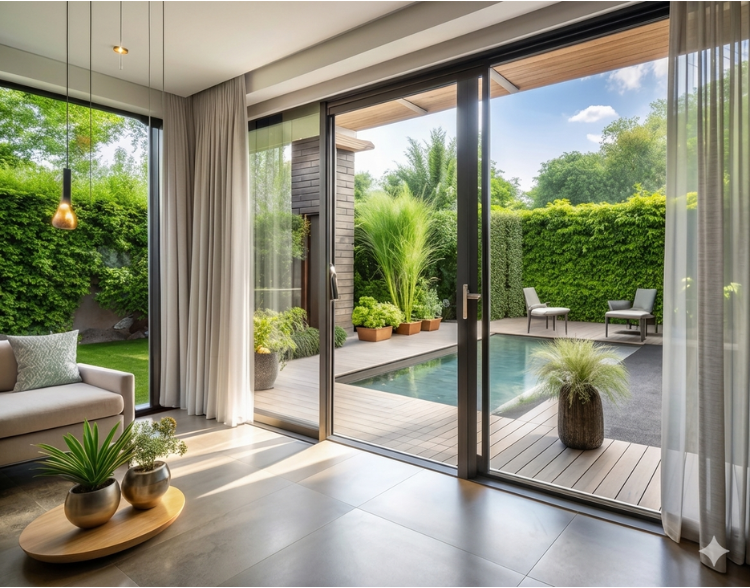
As urban living spaces become more compact and design-led, sliding systems have emerged as a defining element of modern modular furniture. From full-height wardrobes to kitchen units and partitioned storage, sliding doors enable space efficiency, visual continuity, and functional flexibility.
For sliding systems manufacturers, suppliers, OEM partners, and large distributors in India, these systems are not aesthetic add-ons. They are engineered furniture hardware solutions that must deliver smooth movement, precise alignment, and long-term reliability under frequent use. This guide explores sliding systems from a manufacturer–supplier perspective, focusing on engineering principles, material choices, and system-level integration across modular kitchen and wardrobe applications.
Sliding Systems as Integrated Furniture Hardware
Sliding systems operate as part of a broader modular hardware ecosystem. Their performance depends not only on the sliding mechanism itself, but also on how well it integrates with furniture structures, storage components, and complementary hardware.
From a system standpoint, sliding systems must align with:
-
Furniture carcass dimensions used in modular wardrobes and kitchens
-
Load distribution across panels, frames, and tracks
-
Adjacent hardware such as drawer systems, pull-out units, and organisers
Sliding systems suppliers play a key role in ensuring dimensional consistency and compatibility across these interconnected components.
Modular Wardrobe Sliding Systems: Core Applications
Wardrobes represent the most prominent use case for sliding systems in modular furniture. Sliding doors allow large panels to operate smoothly without requiring additional clearance, making them ideal for space-constrained bedrooms.
Engineering Considerations in Wardrobe Systems
-
Load-bearing capacity to support tall, wide panels
-
Track precision for straight, vibration-free movement
-
Roller quality to ensure quiet operation over long cycles
Manufacturers focus on tight tolerance control and material consistency to ensure that modular wardrobe sliding systems perform reliably across residential and project installations.
Sliding Systems in Kitchens and Utility Furniture
While kitchens rely more heavily on drawers and pull-outs, sliding systems are increasingly used in tall units, shutters, and utility storage. In these environments, sliding mechanisms must coexist with drawer systems and telescopic channels.
Key integration points include:
-
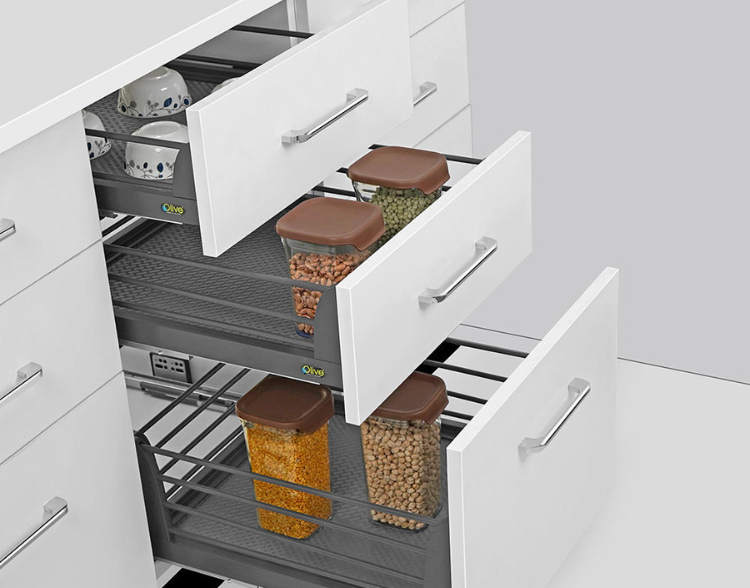
Compatibility with pull-out kitchen drawers and pantry systems
-
Alignment with cabinet frames and aluminium profiles
-
Resistance to moisture, heat, and daily wear
System-level coordination ensures that sliding components do not interfere with internal storage accessories or drawer movement.
Relationship with Drawer Systems and Telescopic Channels
Sliding systems rarely function in isolation. In wardrobes and kitchens, they often operate alongside internal drawers supported by drawer channels and telescopic channels.
From a design and sourcing perspective:
-
Drawer extension ranges must clear sliding door paths
-
Channel load ratings must align with drawer usage behind sliding panels
-
Structural rigidity prevents misalignment over time
Suppliers who understand these interactions help furniture manufacturers avoid functional conflicts and installation issues.
Material Selection: Strength, Stability, and Finish
Material choice directly affects the durability and performance of sliding systems. Common materials include steel and aluminium, selected for their strength-to-weight ratio and dimensional stability.
-
Aluminium profiles are widely used in sliding frames and tracks for their precision and corrosion resistance
-
Steel components provide load-bearing strength in rollers, brackets, and mounting hardware
These materials must remain compatible with stainless steel kitchen accessories, storage baskets, and organisers used elsewhere in the modular furniture system.
Load Performance and Alignment Over Time
Sliding systems must maintain alignment despite repeated use, heavy panels, and environmental factors. In Indian conditions—where temperature variation and frequent handling are common—this requirement becomes even more critical.
Manufacturers address this through:
-
Load testing for static and dynamic conditions
-
Precision machining of tracks and rollers
-
Design allowances for long-span installations
Long-term alignment is essential not only for smooth sliding, but also to prevent stress on adjoining furniture structures.
Integration with Modular Storage Accessories
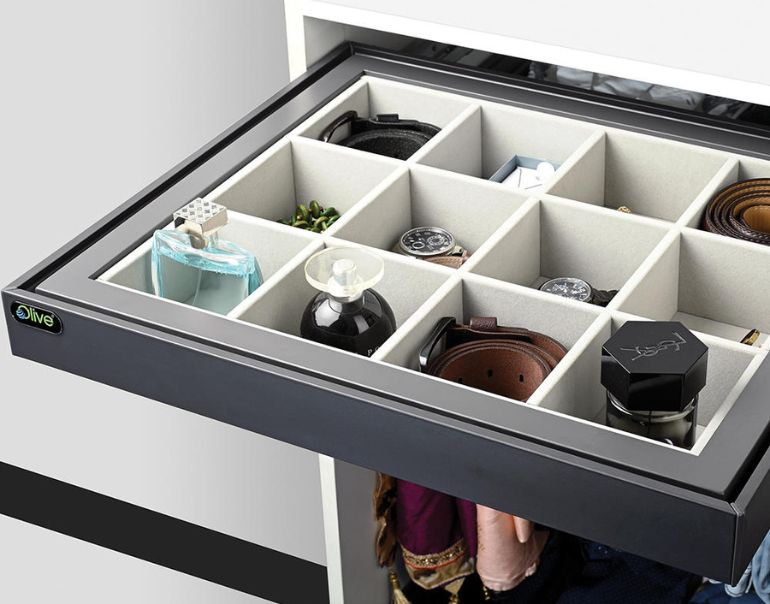
Sliding systems often conceal or complement internal storage components, including:
-
Stainless steel kitchen storage baskets
-
Kitchen organisers and pull-out trays
-
Modular kitchen storage baskets and corner units
Proper coordination ensures that sliding doors do not restrict access to internal hardware and that storage systems remain fully functional.
Coordinated Hardware Across Living Spaces
Sliding systems are increasingly specified as part of coordinated hardware ranges that extend beyond wardrobes and kitchens. Bathroom vanities, utility cabinets, and storage partitions may also use sliding mechanisms.
When sourced as part of an integrated hardware ecosystem—including bathroom accessory fittings—sliding systems benefit from consistent quality standards, finishes, and supply reliability.
Manufacturing Consistency and Supply Reliability
For large-scale modular furniture production, consistency is as important as design. Sliding systems suppliers support manufacturers and dealers by ensuring:
-
Uniform specifications across production batches
-
Availability of standard sizes for project requirements
-
Quality benchmarks aligned with industry expectations
In the Indian market, supply reliability directly impacts project timelines and long-term furniture performance.
Conclusion: Sliding Systems as Enablers of Modular Living
Sliding systems are foundational to space-efficient, modern modular furniture. Their performance depends on engineering precision, material stability, and seamless integration with drawers, pull-outs, and storage accessories.
By approaching sliding systems through a system-integration lens, manufacturers and suppliers contribute to durable, high-performing wardrobes and kitchens that meet the evolving demands of Indian living spaces.
As modular furniture continues to advance, sliding systems will remain a critical link between design efficiency, manufacturing discipline, and everyday usability.
Drawer.png)